Auto Glass Technology Explained

Condensation Sensor

Cold mornings. Rainy days. High-altitude drives. Fog on the inside of your windshield is a visibility hazard that sneaks up fast. The condensation sensor monitors moisture levels in real time and automatically adjusts your climate system to prevent it before it becomes a problem.

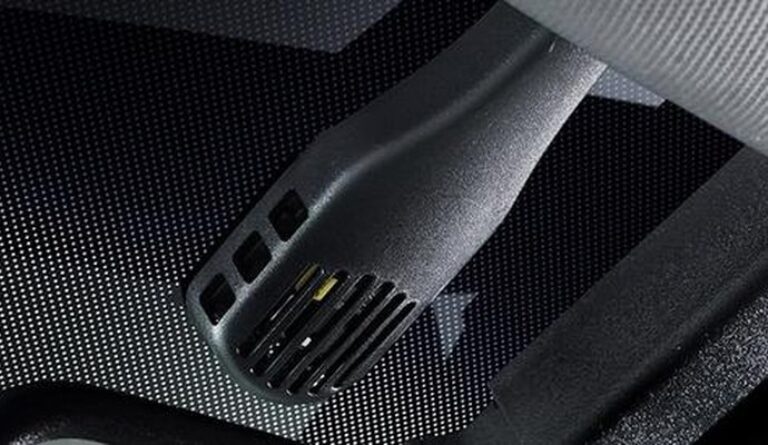
What Is a Condensation Sensor?

A condensation sensor continuously monitors moisture levels on the windshield and interior glass surfaces. When it detects a rise in humidity, it signals the vehicle’s climate control system to adjust airflow, temperature, or defrost settings — preventing fog buildup automatically.

Where Is It Located and How Does It Work?

The condensation sensor is typically located on the inside of the windshield, near the rearview mirror on the driver’s side. Its exact position can vary by make and model — it may also appear on the passenger side — but its placement is always in a high-visibility zone where moisture detection matters most.

As humidity levels change, moisture interacts with ions in the sensor’s salts, altering electrical conductivity. The sensor reads this change and transmits a signal to the climate control system. The system responds by adjusting interior temperature to bring it closer to the outside temperature — reducing the conditions that cause condensation to form.

What This Means for Your Auto Glass Service

Condensation sensors are mounted directly to the windshield. They must be carefully removed and reinstalled during replacement — or replaced if damaged. Skipping this step means losing an active safety feature that works behind the scenes every day.

IQ Auto Glass preserves your condensation sensor as part of every applicable windshield replacement.