Auto Glass Technology Explained

Light Sensor

Tunnels. Overcast skies. Tree-lined roads. Sudden drops in light happen without warning. A windshield light sensor detects these changes instantly and activates your headlights automatically — eliminating one more thing you have to manually manage while driving.


What Is a Light Sensor?

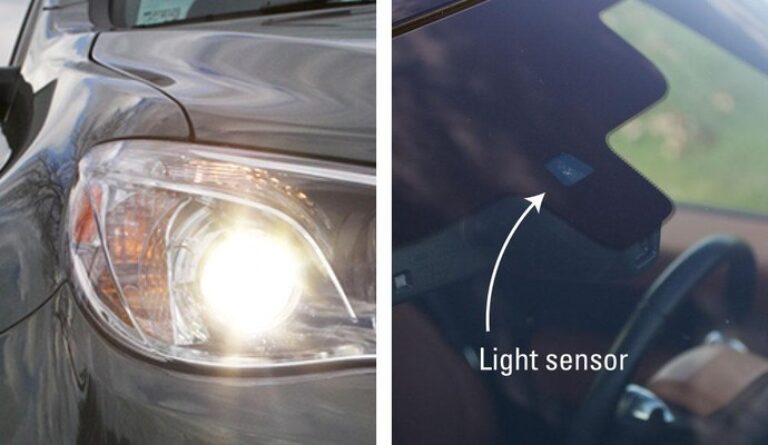
A windshield light sensor — also known as a headlight sensor or automatic light sensor — is mounted on the windshield and monitors ambient light levels. When light drops below a threshold, it triggers the vehicle’s automatic headlight system, turning your lights on without any input from you.


Where Is It Located and How Does It Work?

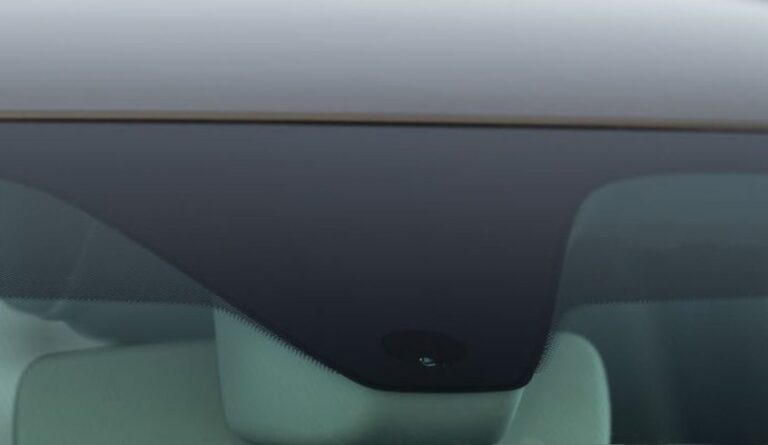
The light sensor is typically mounted next to the rain sensor, behind the rearview mirror, near the top edge of the windshield. Some vehicles integrate it into the rearview mirror housing itself. It usually appears as a small, dark sensor pod pressed against the glass.

The sensor uses a photodetector — an electronic component that measures light intensity — to continuously monitor ambient conditions.

  1. Detection: The photodetector tracks fluctuations in light levels, including low-light conditions and glare.
  2. Transmission: When a significant change is detected, the sensor sends a signal to the vehicle’s onboard control system.
  3. Response: The system automatically activates headlights, adjusts interior lighting, and modifies dashboard illumination to maintain optimal visibility.


What This Means for Your Auto Glass Service

Like rain sensors, light sensors are bonded to the windshield and must be carefully managed during replacement. Installing the wrong glass — or improperly reinstalling the sensor — can cause the automatic headlight system to malfunction.

IQ Auto Glass properly handles all windshield-mounted sensors during every replacement.