Auto Glass Technology Explained

Night Vision

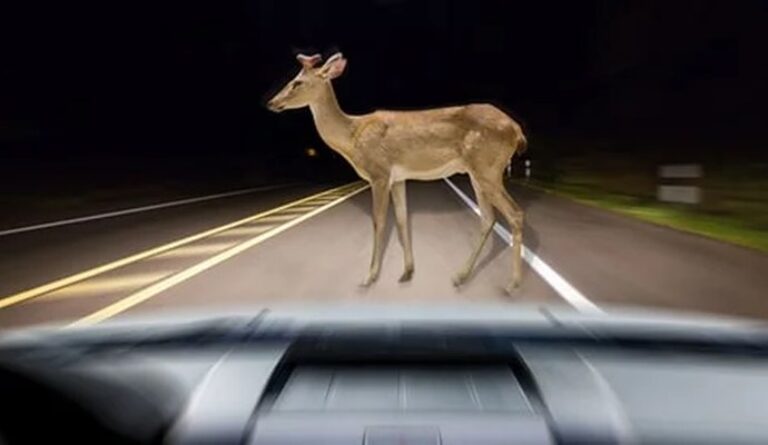
Nighttime driving presents real risks — limited visibility, longer reaction times, and hazards your headlights simply can’t reach in time. Night vision technology extends your sight range using infrared cameras, displaying what’s ahead before it’s in your headlights. It’s one of the most advanced driver-assistance systems integrated with your vehicle’s glass.
 

What Is Night Vision and How Can I Tell If My Vehicle Has Night Vision?

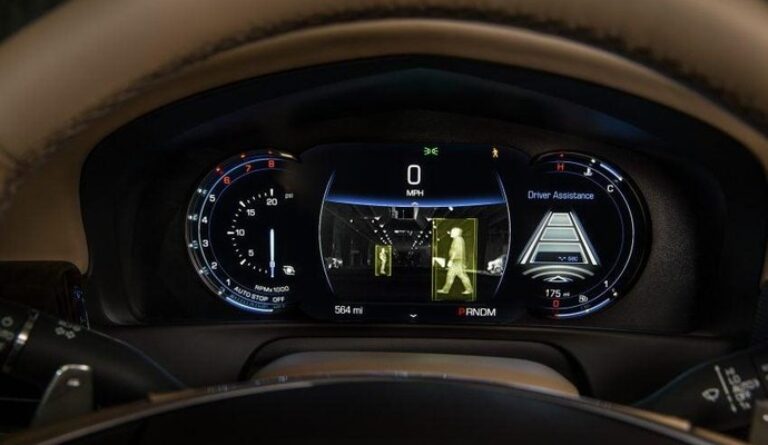
A night vision system uses an infrared camera mounted on the vehicle to detect objects further ahead than headlights can illuminate. It uses thermographic imaging — detecting heat signatures — to display a real-time image of the road and surrounding environment on a dedicated screen in the driver’s view.

The system can detect pedestrians, animals, and other obstacles significantly earlier than standard headlights allow — giving the driver more time to react.

The night vision sensor location varies by make and model. Since this is typically a premium feature, check your vehicle’s documentation, owner’s manual, or ask for a VIN lookup to confirm.


How Does It Work?

  1. Infrared Detection: Sensors (typically in the grille or bumper) detect infrared radiation emitted naturally by objects — especially warm ones like people and animals.
  2. Thermal Imaging: The sensors convert this radiation into electrical signals, generating a thermal image that highlights temperature differences. Warmer objects appear brighter.
  3. Image Display: The thermal image is displayed in the instrument cluster, infotainment system, or HUD — giving the driver a clear view beyond the headlight range.
  4. Object Recognition: Advanced systems use AI to identify pedestrians, animals, or hazards — and issue visual or audio alerts when a potential collision is detected.

Limitations: Night vision systems may be less reliable in heavy rain, snow, fog, or extreme cold.


What This Means for Your Auto Glass Service

Night vision displays are often integrated into the windshield’s HUD zone. Replacing the windshield with incompatible glass can distort or block the display entirely.

IQ Auto Glass verifies night vision compatibility by VIN on every applicable replacement.