Auto Glass Technology Explained

Rain Sensor

When it rains, it pours — and blurred visibility puts you and everyone around you at risk. Rain sensors are one of the most underappreciated auto glass technologies on the road today. They react to moisture on your windshield automatically, often before you even notice it’s raining.

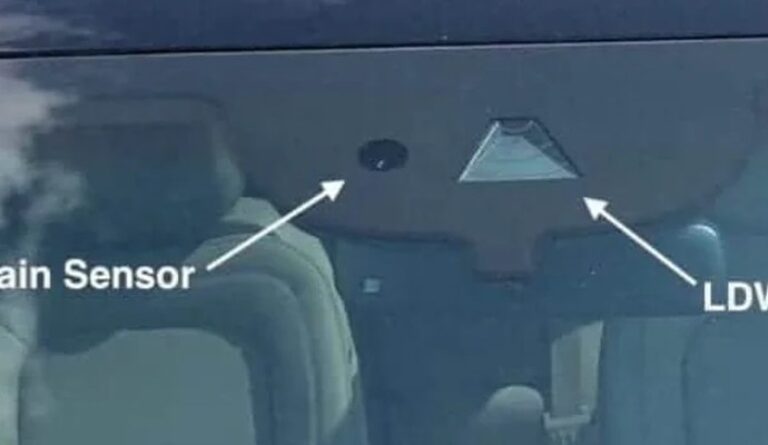
 

What Is a Rain Sensor?

A rain sensor automatically activates your windshield wipers in response to moisture, adjusting their speed based on how hard it’s raining. No manual dial. No guessing. The system handles it — so you can stay focused on driving.


Where Is It Located and How Does it Work?

The rain sensor is mounted behind the rearview mirror, integrated directly into the windshield. It’s positioned straight behind or slightly to the right or left of the mirror. In most cases, it appears as a small, dark module pressed against the glass.

The sensor directs a small infrared light beam onto the windshield surface and measures how much light reflects back. When rain hits the glass, it interrupts the beam — triggering the wipers. The more moisture detected, the faster the wipers move.

In some cases, the rain sensor can detect rainfall before the driver even notices it.


What This Means for Your Auto Glass Service

Rain sensors are bonded to the windshield. When glass is replaced, the sensor may need to be transferred — or in some cases, replaced entirely, as certain sensors are designed for single use.

At IQ Auto Glass, we assess whether your sensor can be reused or needs replacement based on its age, condition, and functionality. We never assume — we check.